Beware that there is no 100 percent safe sex

Condoms provide the best available protection against Sexually transmitted infections (STIs). Condoms and other barrier methods are not 100 percent effective in preventing sexual dysfunction.

Always use a new, lubricated condom every time you have sex. Check the date of use and if the packet is lost, be careful not to tear the condom with fingernails, jewellery or teeth.

If the condom does not completely cover the infected area, having sex using a condom can spread the infection. For example, some infections such as pubic lice, scabies, genital warts and ringworm are spread by skin-to-skin contact. Condoms offer some protection against these sexually transmitted diseases, but do not provide complete protection because they do not cover the entire genital skin area.

sexually transmitted diseases can be spread through kissing.

Some factors that increase your chances of having unprotected sex include:

  • being intoxicated (which may cause you to be less careful)
  • using recreational drugs
  • feeling pressured to have sex
  • Thinking it’s okay ‘just this once’
  • Believing that you can tell if someone has a disease

Hormonal contraceptives, such as the oral contraceptive pill, only provide protection against unplanned pregnancy. They do not provide any protection against sexual dysfunction.

Symptoms that develop into STDs

Symptoms to watch for. Here’s what to look out for:

  • bumps, sores, or rashes in or around the genitals, anus, buttocks, or thighs
  • changes in the amount of, color, or smell of vaginal discharge
  • penile discharge
  • unusual vaginal bleeding or spotting between periods or after sex
  • painful or burning urination
  • pain during vaginal or anal penetration
  • pelvic pain
  • painful or swollen testicles
  • tingling or itching around the genitals
  • swollen and painful lymph nodes, especially in the groin and neck
  • genital or anal rash
  • rectal bleeding

When to get tested 
a good general rule of thumb is to get tested if you:

  • have had sex without a barrier method, like a condom
  • have had or are planning to have sex with a new partner
  • have multiple sexual partners
  • are worried you may have been exposed to an STI
  • are pregnant
  • share injection drug equipment

STIs have an incubation period. That’s the time between when you contract the infection and your body recognizes and produces antibodies to it.

The presence of these antibodies — or lack thereof — is what gives you the result.

Incubation periods vary between infections, from a few days for chlamydia and gonorrhea to months or years for HPV and syphilis.

Depending on your situation, they can advise you on the next steps, like when to get tested or about preventive measures, such as post-exposure prophylaxis (PEP) if you may have been exposed to HIV.

Herpes

Herpes is a long-term infection caused by HSV (Herpes Simplex Virus) that affects the external genitalia, mucosal surfaces, anal region and skin in other parts of the body. Mostly, sufferers are unaware of their condition because symptoms start coming upfront very late. Sometimes, symptoms can be mild and get mistaken for some other disease.

Causes

Herpes is caused by two different but closely related viruses – HSV1(Herpes Simplex Virus Type 1) and HSV2(Herpes Simplex Virus Type 2) leading to two disparate types of infections.

Sexually transmitted HSV usually spreads due to unprotected sex. Further, it can also spread because of having multiple sex partners or being sexually active at a young age. Having some other STI’s (Sexually Transmitted Infection) or a weak immunity system aggravates risks of being affected with Herpes. In case of pregnant ladies who are victims of Herpes, the baby is likely to catch the disease.

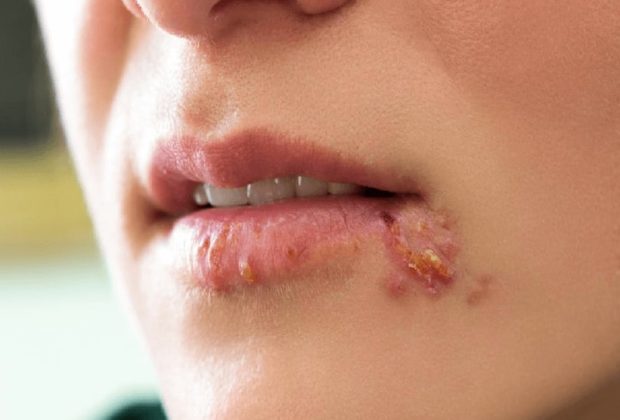
Oral herpes can spread by having intimate contact with an infected person such as kissing. Touching open herpes sores of an infected person or coming in direct contact with things used by infected person such as razors, dishes, towels etc. can also spread the disease.

 Symptoms

The initial symptoms of Herpes might resemble a skin rash or an insect bite. In most conditions, these symptoms can be seen in the first two weeks after the virus is transmitted. But sometimes the first outbreak can take years to appear. Herpes can be extremely painful in the first outbreak. As time passes on, the pain reduces and finally subsides. The classic lesions of this disease are like blisters that eventually come out on the skin of vagina, vulva, cervix, penis, butt, anus, or the inside of your thighs.

In cases where the cause of Herpes is HSV-2, symptoms might be similar to flu such as headache, fever, fatigue or swollen glands in your pelvic area, throat and underarms.

Oral herpes is comparatively less painful as compared to genital herpes. It may cause sores around lips or mouth that can last for days, months or years. Newborn babies suffer more in such cases.

Treatment

Certain home remedies can help relieve discomfort and reduce severity of symptoms:

  1. Bathing sore areas with warm saltwater solution twice a day (Half teaspoon salt with half pint warm water) can ease out the pain.
  2. Infected should wear loose- fitting clothes to allow air circulation around the sores.
  3. Painkillers such as aspirin, ibuprofen and acetaminophen can help too.
  4. Place an icepack around the affected area after wrapping it in a towel

Currently, there are no medicines available to treat Herpes. However, in order to reduce pain and subside symptoms, doctors may prescribe an antiviral to prevent the virus from multiplying.

Erectile Dysfunction

What is erectile dysfunction?

Some men are unable to get an erection or sustain it for long enough to engage in sexual intercourse. If this condition becomes chronic,
then you must see a sexologist.

Erectile Dysfunction symptoms –

Low levels of libido or loss of sexual interest
Premature ejaculation
Inability to achieve an orgasmErectile Dysfunction can result from one of these illnesses that require immediate treatment-

  • Heart problems
  • Blocked blood vessels
  • High levels of bad cholesterol or LDL
  • Hypertension
  • Diabetes
  • Parkinson’s disease
  • Sleep disorders
  • Multiple sclerosis

Erectile dysfunction Causes

  • Tobacco use- Tobacco narrows your blood vessels and reduces the supply of blood to your penis.
  • Drinking too much or consuming drugs.
  • Obesity also reduces blood flow to the penis.
  • Prostate cancer surgery or radiation therapy.
  • An injury that causes damage to the nerves or arteries connected to the penis.
  • A surgery that affects the spinal cord or the nerves.

Is Erectile dysfunction curable?

Thankfully, erectile dysfunction can be managed. If the cause of this disorder is psychological, then sexual counselling may help. Talking with a sexologits will help you overcome those mental blocks that are preventing you from getting an erection.

Syphillis Treatment

Syphilis is a bacterial infection usually spread by sexual contact. The disease starts as a painless sore on your genitals, mouth or another part of your body. If untreated, syphilis can damage your heart and brain.
Syphilis progresses in stages and can lead to serious complications or death. Having syphilis also makes you more vulnerable to HIV. When caught early, syphilis can be cured with antibiotics. Syphilis cannot be contracted through toilet seats, daily activities, hot tubs, or sharing eating utensils or clothing.

Symptoms
Syphilis develops in four stages, and symptoms vary with each stage. You may be infected with syphilis and not notice any symptoms for years.

If you’re pregnant, you may pass syphilis to your unborn baby.

What is the treatment for syphilis?

Syphilis is treated with various Antibiotics. The amount of reatment depends on the stage of syphilis the patient is in.

What can be done to prevent the spread of syphilis?

There are number of ways to prevent the spread of syphilis:
• Limit your number of sex partners;
• Use a male or female condom;
• If you think you are infected, avoid sexual contact and visit your local STD clinic, a hospital or your doctor;
• Notify all sexual contacts immediately so they can obtain examination and treatment;
• All pregnant women should receive at least one prenatal blood test for syphilis.