Prevent yourself from sexual disease

To protect yourself from contracting a sexually transmitted disease(STD), here are a few preventive measures to protect yourself from sexual disease

  • Use a condom during intercourse .
  • Limit your sexual partners and Choose your sex partner carefully.
  • Get yourself checked for STDs, you could be the one transmitting the disease too.
  • Do not drink alcohol before intercourse as you are less likely to use a condom.
  • Be well informed about sexually transmitted diseases and keep checking for symptoms.
  • Wash thoroughly before and after having intercourse.
  • Avoid sharing underclothing, toothbrushes or towels.
  • Injecting drugs through needle sharing may result in serious infections.
  • Get vaccinated for diseases like hepatitis A, Hepatitis B and Papillomavirus (HPV).

If you think you have contracted a Sexually Transmitted Disease  Schedule an appointment with Dr. Rai at the earliest.

sexually transmitted disease

Sexually transmitted diseases (STD) for example chlamydia infection, gonorrhea, HIV AIDS, HPV, viral hepatitis, genital herpes and syphilis are transmitted from having unprotected sex with an infected person.

STDs are mainly transmitted through body fluids such as saliva, vaginal fluids and semen. HIV AIDS is among the more serious forms of STD where the individuals’ immunity is compromised and the person is susceptible to some life threatening infections. A mother can transmit diseases such as HIV/ AIDS to an infant during pregnancy or childbirth. Many sexually transmitted diseases cause no symptoms in individuals and hence, it becomes difficult to track them.

Symptoms of STD (Sexually Transmitted Disease)

Sexually transmitted infections vary in their signs and symptoms. They go unnoticed quite often until complications occur to an extent where one needs to visit a doctor or when a partner is diagnosed with such complications.

Signs and symptoms that might indicate STDs include:

  • Genital itching
  • Painful urination, burning or discomfort while urinating
  • Vaginal discharge in women, which may be foul smelling
  • Swollen lymph glands
  • Discharge from the penis in men
  • Painful intercourse
  • Open sores near the genitals

Causes & Risk Factors for STDs

  • One of the biggest risk factor and cause of STD is having unprotected sex.
  • Incorrect use of condoms
  • Having sexual contact with multiple partners increases the changes of contracting sexually transmitted diseases.

Sexually Transmitted Diseases Treatment

Sexually transmitted diseases are generally caused by bacteria or viruses. The treatment procedure generally includes antibiotics, antiviral drugs and other medications. The investigations are done to find out which kind of STD a patient has. Sometimes multiple bacteria or viruses can be present in one person. At Columbia Asia Hospital, India, we provide you with the best treatment and care for sexually transmitted diseases. You can contact our helpdesk for more information on the registration and appointment procedures.

Sexually Transmitted Infections in Women

STIs, or STDs (sexually transmitted diseases), affect women differently than men. Because the vagina is moist and has a thin lining, it’s easier for a woman to get an STI than it is for a man to get one. Also, a woman is less likely to have symptoms of common STIs — such as chlamydia and gonorrhea — compared with a man. That means that a woman could have an STI and not know it.

Untreated STIs can lead to pelvic inflammatory disease, which can result in ectopic pregnancy and infertility, making it difficult, even impossible for a woman to have a baby. A woman who is pregnant can pass an STI to her baby. Genital herpes, syphilis, and HIV can be passed to babies during pregnancy and delivery.

A woman who has an STI is also more likely to get HIV, the virus that causes AIDS. STIs that cause sores — such as genital herpes, syphilis, and chancroid — can make it easier for HIV to enter the body.

Common women disease

Vaginal Discharge
Pelvic Inflammatory Disease
Contraception
Emergency Contraception
Irregular Menses/Periods
Recurrent/Acute Urinary Tract Infections
Vaginal Lumps and Bumps

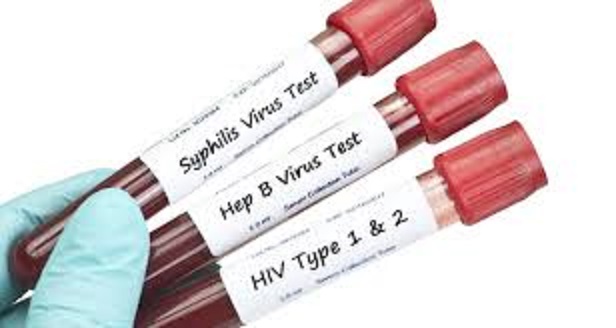
Tests for Sexual disease

I had oral sex –  Certain STIs can be transmitted through the mouth. Likely if the person who performed had a cut or sore in their mouth or  genitals.  Infections include Chlamydia, Gonorrhoea, Syphilis and Herpes.  We would suggest that you have a Chlamydia, Gonorrhoea, Syphilis, Herpes and an HIV test. In this situation both you and your partner should go to Dr. Vimal Rai.

I work in a clinic and got injured by a patient’s needle – With needle stick injuries, the most common STIs and STDs include HIV, Hepatitis B, Hepatitis C and, less frequently, Syphilis. In this situation both you and your partner should go to Dr. Vimal Rai.

I think we had sex but I cannot really remember what happened – If you are female and have noticed an unusual discharge or odour then we would suggest a Urine Culture screen or a vaginal swab. In this situation both you and your partner should go to Dr. Vimal Rai.

The condom broke –  If you think that your risk of HIV is low, you may want to consider the Peace of Mind test which tests for Chlamydia, Gonorrhoea and Syphilis at just 14 days after any incident you are concerned about. In this situation both you and your partner should go to Dr. Vimal Rai.

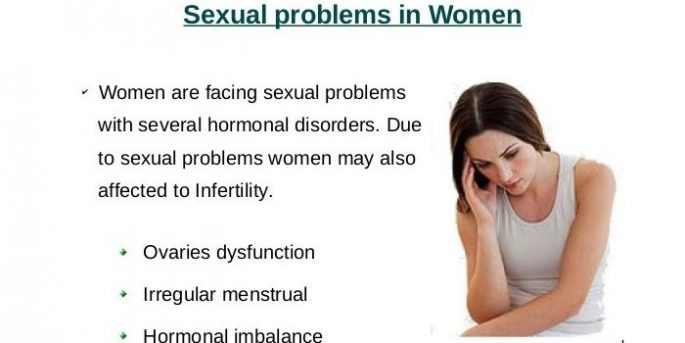
Sexual Problems in women

What Causes Female Sexual Problems?

Sexual dysfunction can have physical or psychological causes. Physical causes include diabetes, heart disease, neurological diseases, hormonal imbalances, menopause, chronic diseases such as kidney disease or liver failure, alcoholism, drug abuse, and side effects of medications, including antidepressant drugs. Psychological causes of sexual dysfunction can include stress, anxiety, concerns about sexual performance, relationship problems, depression, feelings of guilt, and effects of a past sexual trauma.

Who Is Affected by Sexual Problems?

Men and women can be affected by sexual dysfunction. Seniors may be affected more often, possibly due to health-related declines associated with aging.

How Do Sexual Problems Affect Women?

Common types of sexual dysfunction in women include:

Inhibited sexual desire
Inability to become aroused
Lack of orgasm (anorgasmia)
Painful intercourse

Inhibited Sexual Desire

Lack of sexual desire or lack of interest in sex is inhibited sexual desire. This can have many causes, including hormonal changes, certain medical conditions and treatments, depression, pregnancy, stress, fatigue, lifestyle influences such as work stress or child care, and even boredom with regular sexual routines.

Inability to Become Aroused

Insufficient vaginal lubrication in women may trigger the inability to become physically aroused during sexual activity. An inability to be aroused may also result from anxiety, or inadequate sexual stimulation. Blood flow problems to the vagina and clitoris may also affect lubrication and arousal.

Lack of Orgasm (Anorgasmia)

The absence of sexual climax (orgasm) is called anorgasmia. Many factors can contribute to anorgasmia, including sexual inhibition, inexperience, or lack of knowledge. Psychological contributors to anorgasmia may include guilt, anxiety, or a past sexual trauma or abuse. Insufficient stimulation, drugs or medications, and chronic diseases can also result in lack of orgasm.

Painful Intercourse

Painful intercourse can be a result of a number of conditions such as endometriosis, a pelvic mass, ovarian cysts, vaginitis, poor lubrication, vaginal dryness, the presence of scar tissue from surgery, or a sexually transmitted disease. A painful, involuntary spasm of the muscles that surround the vaginal entrance is a condition called vaginismus that may occur in women who fear penetration will be painful, have sexual phobias, or previous traumatic or painful sexual experiences.

How Is a Female Sexual Problem Diagnosed?

Sexual dysfunction in women is diagnosed by a physical exam and symptom history. The doctor will probably perform a pelvic exam with a Pap smear to check for cancer. Other tests may be ordered to rule out medical conditions that may cause sexual dysfunction. You may also be asked about attitudes toward sex, past sexual trauma or abuse, problems in your relationship, or alcohol and drug abuse to help determine if these psychological factors contribute to the dysfunction.

How Are Female Sexual Problems Treated?

Many types of sexual problems can be treated by addressing the underlying physical or psychological problems. Usually it involves cooperation between the woman, her doctors, and therapists.

Providing Education

Patient education is important to help women overcome anxiety about sexual function and performance. Learning about sexual behaviors and normal responses may ease anxiety.

Enhancing Sexual Stimulation

It may be necessary to enhance sexual stimulation to help a woman overcome some sexual dysfunction. Masturbation, changing your sexual routine, or use of erotic videos or books may help.

Providing Distraction Techniques

Anxiety may be alleviated with distraction. Erotic or non-erotic fantasies can be useful. Music, videos, or television can also distract and help women relax.

Encouraging Non-Coital Behaviors

Other behaviors that do not involve intercourse such as sensual massage may help a women feel more comfortable with her sexuality and with intercourse, and feel less pressure and anxiety surrounding sexual activity.

Minimizing Pain

If sexual dysfunction is due to pain, sometimes changing sexual positions may help minimize or eliminate the pain. Vaginal lubricants may relieve pain caused by friction, and relaxation before intercourse (warm bath, meditation) may decrease pain responses.

Can Sexual Problems Be Cured?

The prognosis for treating sexual dysfunction in women depends on whether the underlying cause can be treated. If sexual dysfunction is related to a treatable physical condition, the outcome is often positive. When dysfunction is due to psychological causes, it can often be treated successfully with counseling, education, and improved communication between partners.

How Do Hormones Affect Sexual Function?

Hormones play a large role in sexual function in women. As women age, the hormone estrogen decreases, which can lead to poor vaginal lubrication and decreased genital sensation. Low levels of the male hormone testosterone in women may also contribute to less sexual arousal, genital sensation, and orgasm.

What Effect Does a Hysterectomy Have on Sexual Function?

A hysterectomy (surgical removal of the uterus) may cause sexual dysfunction in many women. Hormonal changes associated with removal of the ovaries may result in loss of desire, decreased vaginal lubrication, and genital sensation. Nerves and blood vessels integral to sexual functioning may also be damaged during the surgery. Finally, some women may become depressed or feel a loss of self-esteem from their uterus being removed that may make it hard for them to engage sexually following the procedure.

How Does Menopause Affect a Woman’s Sexual Function?

Menopause and the associated loss of estrogen can affect women’s sexual function such as a loss of vaginal lubrication and genital sensation. Other emotional aspects of menopause may contribute to a loss of interest in sex or an inability to become aroused.

However, many postmenopausal women have increased sexual satisfaction. This is thought to be due to less anxiety about getting pregnant, or having the time to relax and enjoy being intimate with their partners.

Syphillis Treatment

Syphilis is a bacterial infection usually spread by sexual contact. The disease starts as a painless sore on your genitals, mouth or another part of your body. If untreated, syphilis can damage your heart and brain.
Syphilis progresses in stages and can lead to serious complications or death. Having syphilis also makes you more vulnerable to HIV. When caught early, syphilis can be cured with antibiotics. Syphilis cannot be contracted through toilet seats, daily activities, hot tubs, or sharing eating utensils or clothing.

Symptoms
Syphilis develops in four stages, and symptoms vary with each stage. You may be infected with syphilis and not notice any symptoms for years.

If you’re pregnant, you may pass syphilis to your unborn baby.

What is the treatment for syphilis?

Syphilis is treated with various Antibiotics. The amount of reatment depends on the stage of syphilis the patient is in.

What can be done to prevent the spread of syphilis?

There are number of ways to prevent the spread of syphilis:
• Limit your number of sex partners;
• Use a male or female condom;
• If you think you are infected, avoid sexual contact and visit your local STD clinic, a hospital or your doctor;
• Notify all sexual contacts immediately so they can obtain examination and treatment;
• All pregnant women should receive at least one prenatal blood test for syphilis.

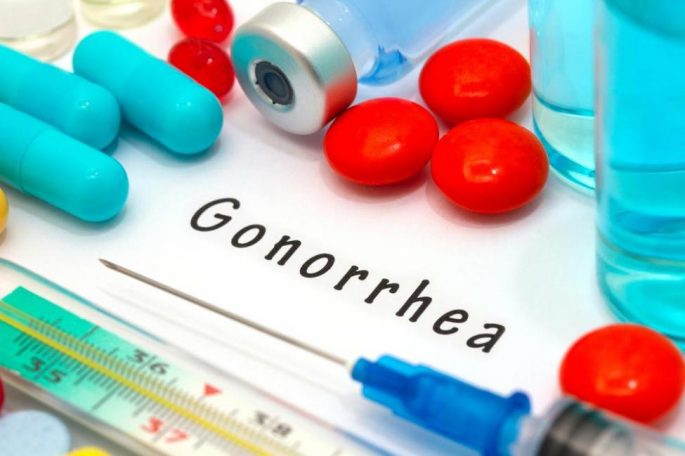
Gonorrhoea

gonorrhoea is a sexually transmitted disease (STD) that affects both men and women equally where the bacteria grows and multiplies easily in the warm and moist mucous membranes of the body like the reproductive tract of the female body (cervix, uterus and fallopian tubes) and the urethra in both men and women; and also in the mouth and the throat and the anus.
Symptoms of Gonorrhoea

It is difficult to diagnose and assess when to intervene for treatment. In women, the symptoms are so mild that often they go unnoticed and they mistake the discharge for a yeast infection. The following are the crucial symptoms –

  • Vaginal discharge which is greenish yellow or whitish in colour
  • Pelvic or lower abdominal pain
  • Burning sensation when passing urine
  • Conjunctivitis or red and itchy eyes
  • Bleeding between periods
  • Spotting after intercourse
  • Vulvitis which is swelling of the vulva
  • Burning in the throat due to oral sex
  • Swollen glands in the throat due to oral sex

In men, the symptoms take time to appear – usually after 5-7 days after infection. Some of the symptoms are the following –

  • Penis discharge which is greenish yellow or whitish in colour
  • Burning sensation while passing urine
  • Swollen and painful testicles
  • Burning sensation in the throat due to oral sex
  • Swollen glands in the throat due to oral sex

Risks of Gonorrhoea

The common risk factors are

  • Rampant and unsafe sex without condoms and protection
  • Multiple sexual partners
  • Sexual contact with infected partner
  • Infected pregnant mother can pass infection to the unborn thereby raising complications that range from premature delivery, spontaneous abortion to blindness, joint infection or a fatal blood infection in the baby


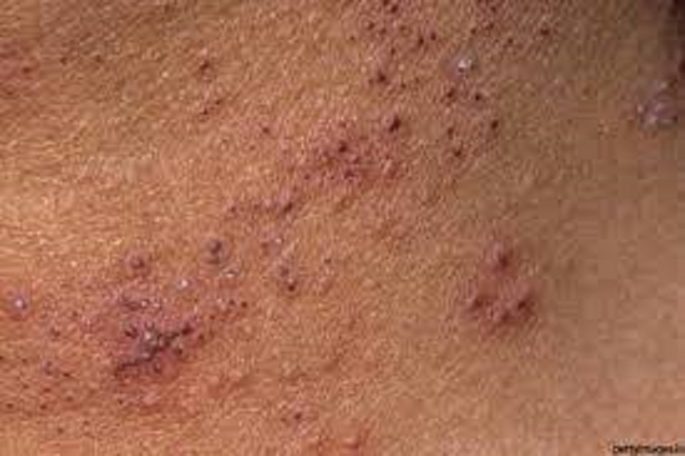
Genital Warts treatment

Genital warts are common skin infections. They are not usually painful or dangerous but are distressing Here are common questions about genital warts and their treatment. What causes genital warts? Genital warts are most commonly spread by skin-to-skin contact. They are caused by an infection with one of the strains of the human papilloma virus (HPV virus). Can Genital Warts be Prevented? Yes!! Most cases of warts can be prevented. Consult Dr. Vimal Kishore Rai, M.B.B.S .Doctor, Email – dr.vimalrai@gmail.com, Mobile- 9425262556,

STDs that can be transmitted through kissing

Herpes

Herpes is probably the most common STD that can be contracted while kissing. Herpes is a viral infection that is easily transmitted through skin contacts and exposure of mucosal tissues to the infection. Women are more susceptible to the virus. Having any sores in the mouth or on the lips increases the chances of obtaining herpes. Despite being relatively easy to treat, oral herpes can result in irritating blisters or cold sores on the lips and in the mouth. As long as Herpes is a highly contagious infection, it is recommended to make quick visual inspection of your new partner’s lips before kissing. Most Herpes-caused cold sores and blisters are obvious and easy to spot. If you are not sure about them, do not hesitate to ask your partner.

Hepatitis B

Hepatitis B is another STD that can pass from one person to another through saliva and exposed open sores. Thus kissing and sex play are potentially among the ways of contracting Hepatitis B. However, as most people in developed countries are vaccinated against the virus, there are not many cases of it and many people do not consider the virus to be able to spread through kissing. If left untreated, Hepatitis B can cause serious damage to liver.

Syphilis

Although highly unlikely, the possibility of receiving this dangerous STD through kissing should not be discarded. It takes an infected partner, the presence of open sores in the mouth and bad odds, but it can happen.

HPV (warts)

Contracting HPV through kissing requires the same conditions as in case of syphilis and is unlikely, but potentially possible.