 Causes of Birthmark
At the time of fetal development if there is some cell dislocation or mutated cell growth; it can appear as birthmarks. Not only this, some birthmarks are a result of a dilated arteriole being very close to the epidermis. Others may simply be due to hyperactivity in melanocytes which can lead to skin pigmentation. Thus birthmarks are broadly categorized as –
- Vascular birthmarks: These are caused by malfunctioning vasculature and generally get darker or more pronounced with age.
- Pigment birthmarks: These are caused by excessive melanin production in a localized area and don’t produce any other symptoms. These also tend to fade with age.
There are different forms of birthmarks. The most common are –
- Spider birthmarks: These birthmarks look like reddish spots and are only superficial or in the epidermal layer.
- Port wine stain birthmarks: These are flat reddish marks which are usually present at birth but disappear with age.
- Strawberry birthmarks: These are the most concerning category of birthmarks. Although they start appearing as a flat reddish mark, they can soon harden and develop ulcers. Their early diagnosis and treatment, therefore, becomes of utmost importance. Also known as haemangioma, these marks have associated symptoms such as feeding disability and loss of vision if not diagnosed and treated timely.
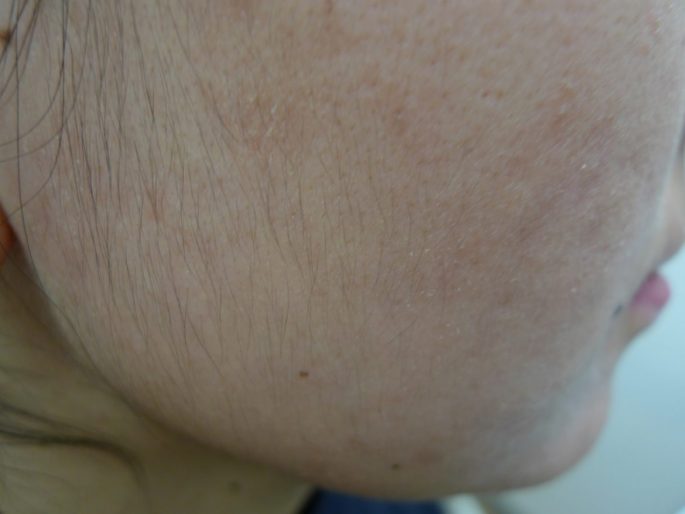
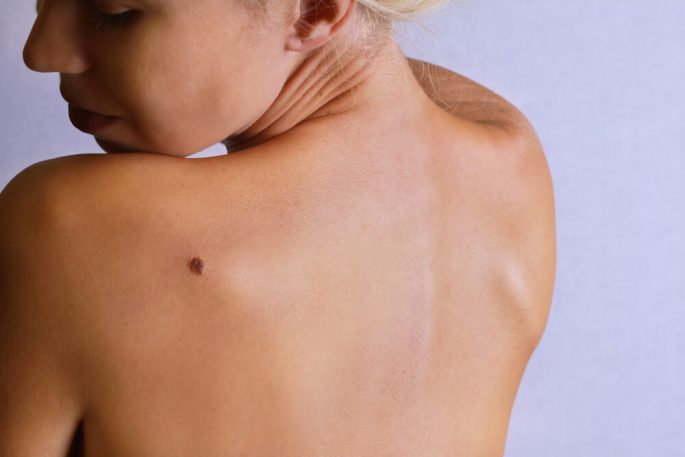
- Brown birthmarks: These birthmarks are formed by accumulation of melanocytes like a cluster in a specific area and produce excessive amount of melanin or skin pigment.
Our Procedure
The treatment for birthmark removal changes drastically, based on the skin type and birthmark cause. Our procedures are based on state of the art laser technology and light wave technology. These treatments don’t provide instantaneous results, but after successive sessions which entail categorically eroding the birthmark; these treatments do deliver. The laser or light waves are focused on the birth mark affected area to slowly breakdown the melanin cluster or reposition the vascular structure in order to reduce pigmentation. Gradually the birthmark is expected to fade up-to 70-90%. Most commonly adopted treatments for birthmark removals are –
- Q switched lasers: This treatment is recommended for dark pigmented birthmarks. The laser penetrates the epidermal and dermal layer, to break down melanocyte action and reduce melanin production. It results in gradual skin lightening and fading of pigment birthmarks.
- Pulse-dye lasers: This treatment is highly effective in case of vascular birthmarks. As the culprit is vasculature and not melanocytes, the action of this treatment varies from Q-switched lasers. A good amount of intense pulse light is aimed at the area affected with birthmark to alter the malfunctioning vasculature and result in subsequent de-pigmentation.
- Dermatological surgery: This procedure is adopted in case hemangioma is left undiagnosed and grows to the stage of ulceration, thereby obstructing the activity of adjoining organs. To effectively restore normal body function, surgery is recommended instead of laser treatments.