Laser Hair Removal

Women are shifting to laser hair removal treatments. Continuous waxing or shaving can lead to skin irritations and it also cannot remove ingrown hairs. Plucking is as painful as it is time consuming. Waxing cannot be done until enough hair grows out and hence the wait is quite long.  Some of the reasons why the laser treatment is better than other methods, are mentioned below.

  • Laser hair removal can be done on almost any part of the women’s body unlike shaving and waxing.
  • There are very little or no side effects.
  • The ratio of benefit to cost for this laser treatment is very high. Laser treatment may cost more than them initially. But in the long run, the rewards will be higher.
  • Laser treatment is very time effective. You do not have to do this as frequently as the other methods.
  • Permanent hair loss can be achieved within a few sessions as  the lasers remove the hair right down to the follicle.
  • Ingrown hairs are a common issue when you shave, wax or thread. They are unpleasant to the eye and also irritate the skin. Laser treatment helps you get rid of these hairs.

Popular areas in women for laser hair removal

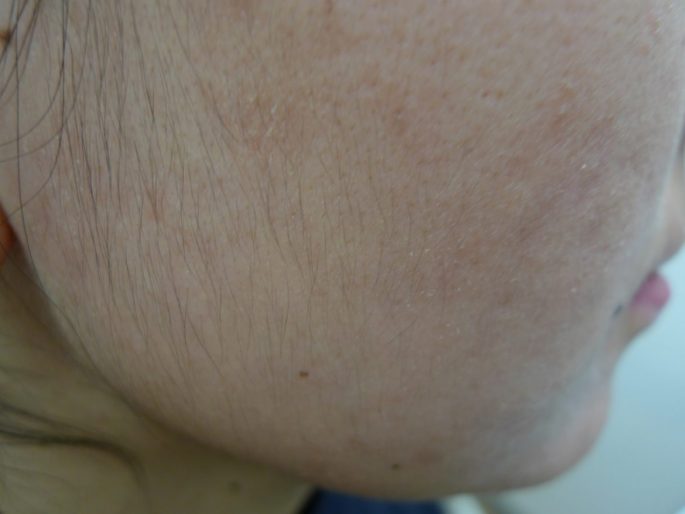
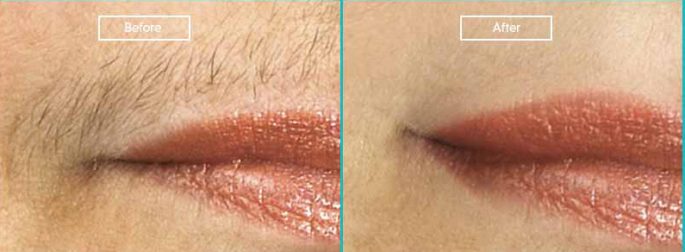
Face (including cheeks): Most women are also prone to have facial hair. Sometimes in their upper lip, cheeks or even on the chin area, lool like a beard. Facial hair removal through laser technology is quick, simple and easy. It hardly takes 10 to 15 minutes. A few successive treatments is guaranteed to keep the growth of facial hair at bay.

Legs: Hair on the legs can make it a nightmare. Of course you can just shave off the hair. But leg hair grows very rapidly and within days. Laser treatment can help you get rid of the leg hair without an trouble.

Arms and underarms: It is the perfect way to get rid of those hairy arms without negatively affecting your skin complexion. The process takes only about 5 minutes and at the end of the treatment, you will be left with soft and smooth underarms. Now you can rock  by wearing a nice sleeveless dress.

Chest and back: Laser treating these areas will leave behind a smooth chest and back.  You can save a lot of money from unnecessary and frequent waxing appointments.

Bikini area:  A razor burn in this area can be quite embarrassing.  Waxing this area is not only costly but also rather painful. So laser treatment is probably the best option for removing hair along the bikini line and after a few sessions, you can get rid of the hair permanently.

So as the above list proves, laser treatment for hair removal can be done on almost any part of a woman’s body. Dr Rai helps you get rid of all the facial and body hair and leaves behind clean andsmooth skin.
Covid Hair Fall- what to do.

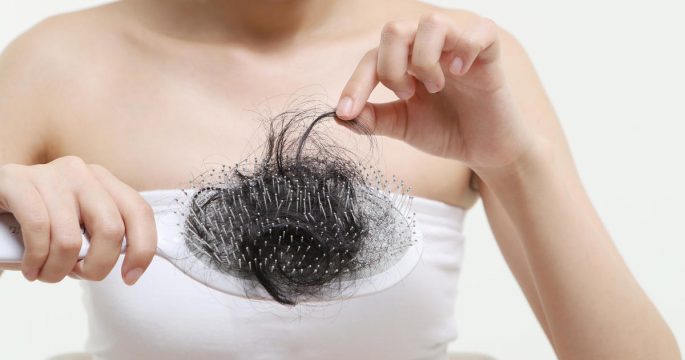
Research now shows that COVID-19 has some long-lasting effects. Though hair loss (telogen effluvium) is not a known COVID-19 symptom, many are increasingly experiencing this condition during and post- COVID.

The pandemic has been a cause of stress, and many who have not been infected with COVID see a lot of hair fall.

Some of the factors that cause excessive hair loss include

  • Stressful events
  • Medicines
  • Nutritional deficiencies

Hair loss usually occurs 2-3 months after the trigger event, and it is usually self‐restraining. The time gap is because of the numerous stages of the hair cycle. Around 75% are in the growing phase, 15% resting, and around 10% are shedding.
Therefore, a person encountering a highly stressful life situation sees some of their hair prematurely pushed into the shedding phase.


Is hair fall adding to your stress?

A few factors that cause excess hair fall during COVID and what you can do about it:

  1. Stress- Take time out to meditate and relax with some activities you enjoy at home.
  2. Oxidative damage– The body is fighting the disease. There are also a lot of medicines prescribed to aid the body in fighting the disease. The reactions in the body release plenty of free radicals. Consuming antioxidants help reduce these stressors.
  3. Inflammation- Patients infected with the virus may have uncontrolled inflammation leading to a cytokine storm. It is essential to consume anti-inflammatory food and supplements to help control the inflammation.
  4. Lack of nutrition- The body needs excess nutrients and starts using up the reserves. We all know that the smell and taste get affected during covid. COVID being a disease of isolation, the food intake gradually becomes less. Therefore, it is important to focus on eating well.

How do you take care of hair fall?

  1. Correct oiling habits: Don’t massage. Be gentle with the scalp. Warm the oil and apply it to every root. It will soothe your scalp.
  2. Good nutritious food: The diet plays a significant role in keeping your hair healthy.
  3. The Right supplements: Along with the medicines prescribed, it would help if you had something that safeguards you from inside.

What supplements are beneficial during this time?

  1. Ra Anagen – Full of beneficial amino acids, yeast, B vitamins, trace elements like zinc sulfate and melatonin. It arrests hair fall, strengthens hair follicles and improves hair health.
  2. Ra Vitamin C+ – Helps fight free radicals, boosts immunity, stimulates collagen, and reverses signs of ageing.
  3. RA Essential – Set of essential multivitamins, amino acids, fatty acids, micro-nutrients & minerals. It provides nutrition at the cellular level.
  4. RA Bright – Fortified with four powerful antioxidants to minimize free radical damage.
  5. RA Defense – Fortified with traditional ingredients like ginger, turmeric, piperine, milk Thistle, and beta carotene. It reduces inflammation.

When you get infected, your body is focusing on healing and repairing itself. Hence more nutrients are utilized by these functions and less on hair growth.

“It is essential to take good care of yourself while recovering from this disease. Eat a balanced diet with plenty of nutrients, rest, take your supplements and exercise regularly,” advises Dr. Vimal Rai.

Consult your dermatologist if the problem lasts longer than six months. If a rash and other issues accompany the hair shedding, it could be other skin issues that need to be medically examined. Your dermatologist can assist you with your hair-related issues by suggesting treatments online.

Hair Transplant

What Is A Hair Transplant?

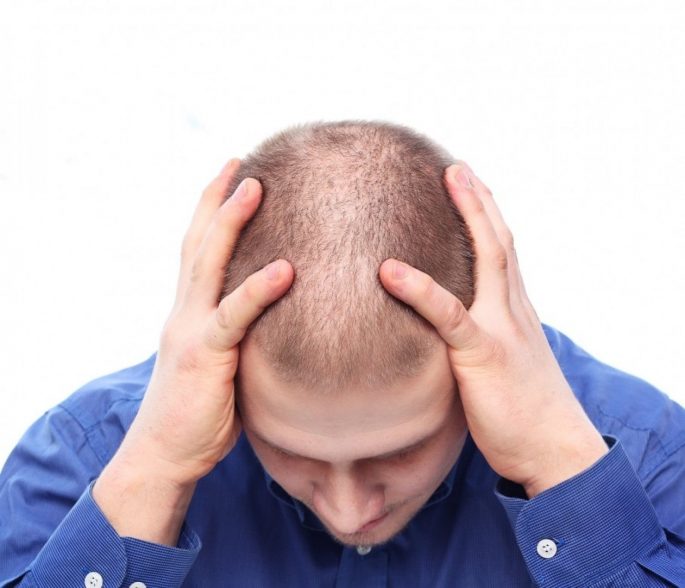
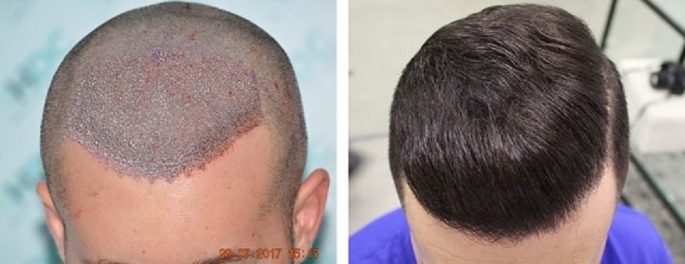
Hair Transplant is a surgical treatment for male and female pattern hair loss which helps in transplanting extremely natural looking follicular units rather than plugs as was done in the past.

Hair loss is a natural, yet an unfortunate part of life for many, especially men. It can impact you physically and lower your self-confidence to a great extent. Getting a hair transplant is like getting a new lease to life altogether.

We want to look our presentable best at all times and most importantly on a certain important function, and Hair Transplant treatment can help fulfill it. Hair transplant surgery is seeing an upsurge – but what does the procedure actually involve, what are the risks, and are there alternatives? Here, we explain everything you need to know…

There are two main techniques used to obtain follicles for transplantation: FUT (Follicular Unit Transplantation) and FUE (Follicular Unit Extraction).

Cost Of Hair Transplant Treatment?

The cost of a hair transplant is highly variable on a number of different factors, and typically averages from Rs.40-60 per graft for FUT and Rs.40 per graft for FUE. There are a number of factors that can influence the costing, including:

  • The type of hair transplant (FUE hair transplant vs FUT hair transplant)
  • The extent of your hair loss which determines the number of grafts.
  • The quality of your hair loss clinic.
  • The expertise of the surgeon.

Steps For FUT:

  • A scalpel will be used to cut out a strip of your scalp skin from the back of your head, it is then closed by suturing.
  • The next step is to separate the hair grafts from the removed portion of the scalp using a magnifying lens and a surgical knife. These grafts are then implanted for natural looking hair growth.

Steps For FUE:

  • During FUE, the hair follicles are extracted from the back of the head through thousands of tiny punches.
  • Then tiny punch hole incisions are made with a needle wherein the surgeon gently places the hair grafts in the holes.

Hirsutism

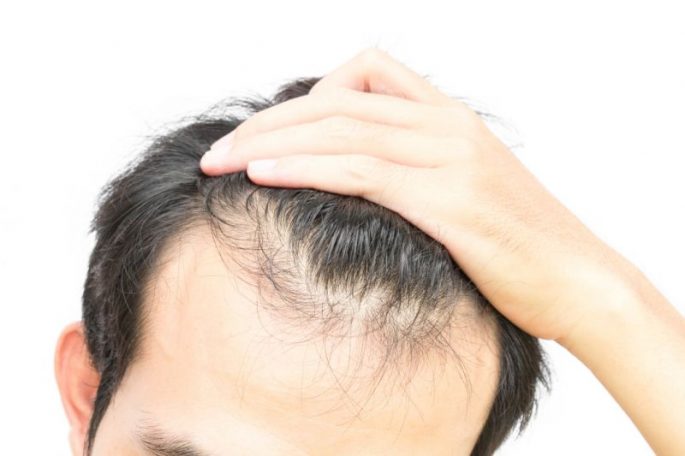
Hirsutism is a condition in which a girl starts growing hairs over the face, neck, chest, arms, abdomen, back and thighs like a man.

Hirsutism could be due to genetic tendency, obesity, hormonal issues like irregular periods, hormone secreting growths within the body or of unknown reasons. Excessive hair growth commonly starts on face especially the chin, upper lip and upper neck area. Hairs on abdomen grow as fast as facial hairs and tend to thicken faster causing cosmetic disfigurement and embarrassment. If hirsutism is not treated appropriately, the growth tends to increase rapidly to involve all the male pattern regions. Whenever hirsutism is severe, developing very fast, associated with change in voice, shrinkage of breast, it is a grave sign and one needs extensive investigations to rule out any hormone secreting tumors.

There are many other changes in skin and body which happen when hairs starts growing thick like a man! There can be darkening and thickening of skin in the neck, under arms, around eyes and other body folds, which is medically referred as Acanthosis nigricans. Insulin hormone secretion has been found to be more in such individuals. The oiliness of skin, pimples, dandruff and fungal infections of skin tends to be more. Paradoxically, hormones triggering facial and body hair growth stimulates hair fall on scalp leading to baldness in women. Irregular periods in hirsuite women can be a tell tale sign of polycystic ovarian syndrome (PCOS), where there are balloon like swellings in ovaries. This not only adversely affects fertility but also poses a risk to hearts of women!! It has been found that women with PCOS have greater risk of raised blood cholesterol levels and issues of heart like angina, infarction.

Hence, hirsutism not only affects the external appearance of an individual but can also pose greater threat to health and vitality and needs prompt care and management.

Moustache & Beard Hair Reconstruction

Introduction to Beard and Moustache Transplantation

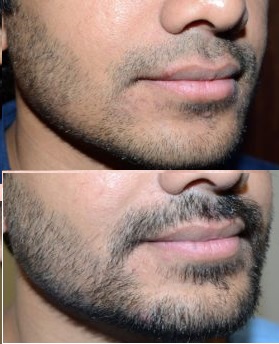
Hair is a sign of manliness. losing hair is like losing their manhood.  There are some men who are unable to get beard or moustache even after reaching teenage. Thus for such boys or men facial hair transplant is a great option.

People who opt for facial hair transplant due to:
  • Scars because of any burn, trauma and surgical procedure
  • Sufferer of traction alopecia that may have led to hair loss
  • Other medical conditions as cancer or infections
  • Persistent conditions as alopecia areata
  • Scarring due to conditions as folliculitis
  • Hair Loss because of earlier conducted transplant surgery
  • other skin conditions

What is the Anatomy of the Beard Transplant?

It is better to understand the anatomy of beard transplant before you decide to undergo it. The doctor who performs the hair transplant keeps in mind that the hair density in the moustache and beard is usually different. The number of grafts needed differ from person to person. However, usually 2000 to 2500 grafts are needed.

What is the Procedure for Beard Transplant?

First of all your donor area of head and face will be examined. Then the design of the beard will be decided. Your doctor will discuss about the design and the density of beard you are looking for. This discussion will be done in detail and final plan will be made according to your acceptance. You may be told to undergo some blood tests and physical checks so as to ensure that your health is good.

Direct Hair Transplant

Direct hair transplantation is the modification of follicular unit extraction technique. It is most advanced technique used for hair transplant. It has a number of merits as it is scarless, painless and provides 100% results when done by an experienced surgeon.

Skin care with coconut oil

Dermatologists swear by coconut oil and studies have suggested that coconut oil has a host of benefits for your skin.

Skin Care benefits of Coconut Oil –

1. It’s a natural moisturizer
Just like you, your skin needs proper hydration. Coconut oil can prove to be a great moisturizer, especially if you suffer from dry or itchy skin. The oil helps increase hydration by reducing the water loss in dry skin. Because coconut oil is naturally antibacterial, antifungal, and superior in hydrating.

2. It can help fight acne
Coconut oil has anti-inflammatory properties, which can help keep angry acne at bay. The medium chain fatty acids in coconut oil include Linoleic acid, which is beneficial for acne-prone skin, and up to 50 percent Lauric acid, which is antimicrobial in nature.

3. It can treat dark spots
If you have dark spots on your skin or have a perpetual case of dark circles under your eyes, let coconut oil be your miracle ingredient.This anti-dark circle serum by Organic Harvest contains coconut oil as a key ingredient.

4. It can slow signs of ageing
Massaging your face with coconut oil can help fight fine lines and wrinkles. The triglycerides in the oil help repair collagen, a protein that keeps the skin elastic.

5. It smells great
Unlike most other oils, this one is actually pleasant to smell. Applying coconut oil can be a cheap (but great) substitute for a facial moisturizer or body lotion.

Fight Baldness with Non-Surgical Hair Treatment

There are non-surgical hair treatment methods which restore falling hair. Which could be true but even truer, so manageable with restoration procedures with results more lasting than drugs’.

However, there is one thing to worry about, the procedural cost of hair restoration in fast developing countries. India being an exception and Dr Rai Skin Care clinic being so far the cheapest, the safest and only clinic with the most successful hair transplant trends over the years. This is to say that now your hair can be triggered to grow even fast and as healthy as the plants and fruits of Mesopotamia.

Is it the fact that they are less/not painful at all? Or is it because they are only done by the best hair transplant surgeons in Raipur?

The first non-surgical option being advanced Meso therapy. As prevention is better than cure, this procedure helps prevent further hair loss by preserving the existing hair follicle and reversing the bald. It is deemed suitable for male with pattern baldness or men and women who suffer from alopecia and hair thinning. Besides this option, there is platelet rich plasma therapy which is as simple as drawing a patient’s blood and sending it to the lab for processing. During a process where platelet rich plasma is separated and drawn from other blood components. The processed PRP is then injected back into the scalp to stimulate hair follicles and enhance growth.

There it is, your ray of hope for baldness problems. whether drugs meso therapy, PRP therapy, what matters is an enhanced health and a better looking person with thick fluffy hair. If you can get it with non-surgical treatment ways why not try it? And if the loss/baldness is a thing that you want to forget about forever why not try hair transplant surgery in Chhattisgarh?

Reasons for dandruff you should know

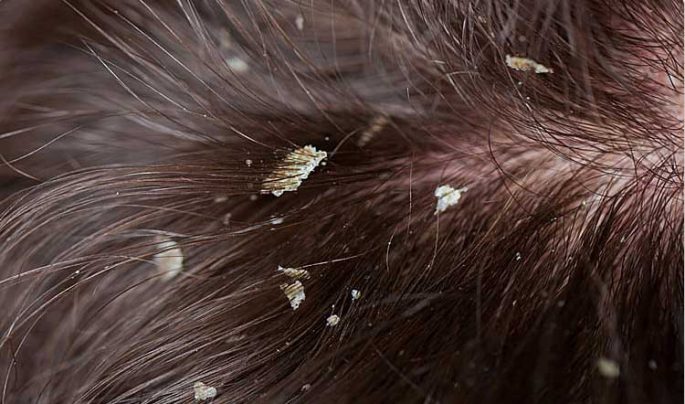
Dandruff is one of the common conditions that most of us face at least once in our life but we never seem to actually understand the causal factors behind it. Its white, flaky and settles on your shoulders and clothes making it very visible and a good cause for embarrassment. Although what you do need to understand is that in no way does it mean you’re unhygienic, which is the common misconception. Here are actual reasons for dandruff that you need to understand (1).

Reasons for Dandruff

Yeast in the hair – All of us have natural yeast on the scalp called Malassezia Globosa which is responsible for breaking down sebum, the natural oil which is necessary to keep our scalp and skin moisturized. After breaking down sebum, however, a by-product called oleic acid is produced, which does not agree with a few of us. That’s when an excess shedding of dead skin cells is triggered in order to create a balance and get rid of the irritant (oleic acid). The oil along with the dead skin cells form clusters, thus resulting in flakes. Understandably, rinsing your hair less often would allow these flakes to gather and settle in your hair. This also means that the oil will remain, causing more dandruff.

Combing and brushing– Not combing or brushing your hair regularly can cause dandruff. Dead skin cells themselves shed in around a month in people without dandruff, while for people with dandruff, dead skin cells shed every 2-7 days. Dead skin cells aren’t as visible as flakes and neither do they stick to your hair because they aren’t combined with the oil on your scalp. This is why regular combing or brushing of your hair can get rid of dead skin cells, thus stopping them from further becoming flakes. Overdoing this can irritate your scalp if you have dry skin, so make sure to moderate.

Shampooing – Washing your hair with shampoo is an important factor when it comes to dandruff. Most people confuse dandruff with dry scalp and think that shampooing less frequently would help reduce dandruff as it would help reduce dryness. And following this they let their hair remain oily or apply more oil which actually tends to aggravate dandruff. How frequently you should shampoo depends on the type of the hair that you have. The main idea is to wash out the oil from your hair before it combines with dead skin cells to form flakes. Wash your hair when you feel it looks oily or greasy, this is more frequent in people with straight hair, people with curly hair might have a dry appearance; even in that case, shampoo twice a week. Twice a week is ideal for shampooing your hair whatever the texture might be.

Sensitivity to hair styling and products- This is not something that causes dandruff, but it plays a role in worsening the condition, or making it more difficult to get rid of. Styling which includes heat could increase the number of dead skin cells that accumulate in your hair. If you don’t comb it out regularly it could form cluster resulting in dandruff. Sometimes the products that are used on your hair like the gel based one can contain dirt, skin cells and oil. If these products are not removed properly it could result in forming dandruff. Make sure to shampoo your hair thoroughly and get rid of any residual product that might remain in your hair.

Internal causes – It’s natural that what goes on inside your body directly affects your appearance, even when it comes to the scalp. Firstly the food you eat, food rich in fats and oil can worsen dandruff as it would increase oil secretion which is already in abundance. Make sure you have a balanced diet to help keep excess oil secretion under control. Another factor is stress, stress can worsen any health condition and even skin condition. When you have dandruff it usually results in an itchy scalp as well, thus making it a habit to scratch the affected area, this could worsen the condition. Make sure to refrain from doing so. Instead, try relaxation techniques that help calm your mind. (5)
Dandruff isn’t caused by poor hygiene; many of us are allergic to the yeast on our scalp. What we could do is take precautionary measures to help keep a balance. Things like combing your hair, are everyday activities that don’t take up much of your time and help in keeping it under control.

By maintaining a healthy diet and doing simple things like washing and combing your hair, dandruff could be easily taken care of. However, if you feel like nothing is helping, its best to visit a dermatologist. Lastly, don’t let it cause more stress by affecting your confidence.

6 Biggest Causes For Hair Loss

Genetic Factors – If you have a family history of baldness, then it can affect you as well. These a due to a combination of genetics from both parents and it can’t really be cured. There isn’t any permanent cure but a few chemicals are used to stimulate hair growth such as Minoxidil, and Finasteride. The dosage that you’re going to be using these it needs to be monitored by a professional to make sure that it doesn’t go overboard.

Aging – As people get older, the hair follicles shrink and get weaker, this causes hair thinning and eventually hair loss. Women have hormonal balance in their body which can affect hair growth and quality. In males, receding hairline or a bald patch at the back of the hair.

Iron Deficiency – This kind of hair loss can come and go and is a common occurrence. If you’ve noticed after having an episode of any kind of illness, especially typhoid, there will be hair loss. This is because as the body gets weak, there isn’t enough iron content, and iron is required of a key element called ferritin which is present in the hair. When you have an unusual amount of hair loss, you’re most likely asked to test your ferritin levels which are basically iron. To cure and prevent this, it’s important to eat foods that are rich in iron content, such as green leafy vegetables, beetroot, etc.

Thyroid – Thyroid, as a gland helps in metabolism and in fact, is important for the regulation of iron in your body. At the same time thyroid is also important as it helps in balancing and regulating the hormones in your body. When you have a Thyroid problem it can be one of two things, Hyperthyroidism, and hypothyroidism. The former is when excess Thyroxine is produced by the Thyroid gland, that results in an imbalance, the latter is when there are low levels of thyroxine in the blood that also results in an imbalance. Thyroxine helps in the basal metabolic rate of the body, protein synthesis, and also helps in regulating growth hormone. (3)

Hormonal – Hormonal changes are prevalent in women from time to time. Their hormone levels keep altering based on the events in their life, from periods, marriage, menopause and pregnancy. Pregnancy can be seen as a major life-changing event that affects hair growth and can also cause a type of Alopecia. Although changes in the male hormones or Androgens can also cause hair loss, commonly called male- pattern hair loss. This is called Androgenic Alopecia and can be seen in both men and women and is called, female-pattern hair loss in women. (4)

Autoimmune Disease – These are diseases when the white blood cells attack the body itself internally. This causes the WBC’s to affect and weaken the hair follicles leading to hair loss. The most common of them Alopecia, where hair loss occurs in the form of patches and these patches can usually increase with age. Another form of Alopecia is Traction Alopecia, which is caused due to salon treatments that create a lot of tension in the hair follicles. When the hair is pulled back and tied very tightly for too long, it does result in Hair loss around the hairline. Headgears that are worn for too long can also have the same effect. (5)

There can be other reasons for hair fall, such as medications that are given for cancer, depression etc. Another reason can be Dandruff and other fungal infections, that clog hair follicles causing hair fall. Other than this your diet is extremely crucial for the growth of your hair, you would need a protein-rich diet, more than a rich fatty diet.