
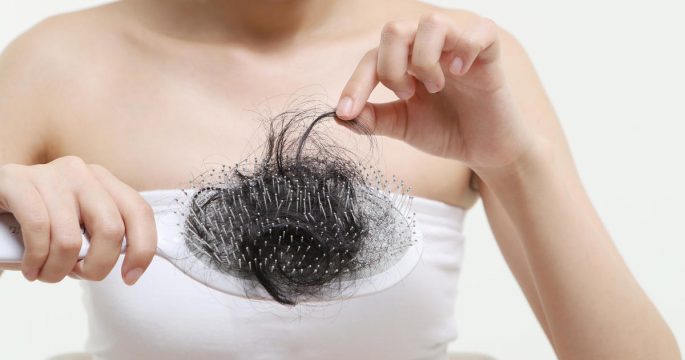
Research now shows that COVID-19 has some long-lasting effects. Though hair loss (telogen effluvium) is not a known COVID-19 symptom, many are increasingly experiencing this condition during and post- COVID.
The pandemic has been a cause of stress, and many who have not been infected with COVID see a lot of hair fall.
Some of the factors that cause excessive hair loss include
- Stressful events
- Medicines
- Nutritional deficiencies
Hair loss usually occurs 2-3 months after the trigger event, and it is usually self‐restraining. The time gap is because of the numerous stages of the hair cycle. Around 75% are in the growing phase, 15% resting, and around 10% are shedding.
Therefore, a person encountering a highly stressful life situation sees some of their hair prematurely pushed into the shedding phase.
Is hair fall adding to your stress?
A few factors that cause excess hair fall during COVID and what you can do about it:
- Stress- Take time out to meditate and relax with some activities you enjoy at home.
- Oxidative damage– The body is fighting the disease. There are also a lot of medicines prescribed to aid the body in fighting the disease. The reactions in the body release plenty of free radicals. Consuming antioxidants help reduce these stressors.
- Inflammation- Patients infected with the virus may have uncontrolled inflammation leading to a cytokine storm. It is essential to consume anti-inflammatory food and supplements to help control the inflammation.
- Lack of nutrition- The body needs excess nutrients and starts using up the reserves. We all know that the smell and taste get affected during covid. COVID being a disease of isolation, the food intake gradually becomes less. Therefore, it is important to focus on eating well.
How do you take care of hair fall?
- Correct oiling habits: Don’t massage. Be gentle with the scalp. Warm the oil and apply it to every root. It will soothe your scalp.
- Good nutritious food: The diet plays a significant role in keeping your hair healthy.
- The Right supplements: Along with the medicines prescribed, it would help if you had something that safeguards you from inside.
What supplements are beneficial during this time?
- Ra Anagen – Full of beneficial amino acids, yeast, B vitamins, trace elements like zinc sulfate and melatonin. It arrests hair fall, strengthens hair follicles and improves hair health.
- Ra Vitamin C+ – Helps fight free radicals, boosts immunity, stimulates collagen, and reverses signs of ageing.
- RA Essential – Set of essential multivitamins, amino acids, fatty acids, micro-nutrients & minerals. It provides nutrition at the cellular level.
- RA Bright – Fortified with four powerful antioxidants to minimize free radical damage.
- RA Defense – Fortified with traditional ingredients like ginger, turmeric, piperine, milk Thistle, and beta carotene. It reduces inflammation.
When you get infected, your body is focusing on healing and repairing itself. Hence more nutrients are utilized by these functions and less on hair growth.
“It is essential to take good care of yourself while recovering from this disease. Eat a balanced diet with plenty of nutrients, rest, take your supplements and exercise regularly,” advises Dr. Vimal Rai.
Consult your dermatologist if the problem lasts longer than six months. If a rash and other issues accompany the hair shedding, it could be other skin issues that need to be medically examined. Your dermatologist can assist you with your hair-related issues by suggesting treatments online.
 What To Expect After Getting A COVID-19 Vaccine