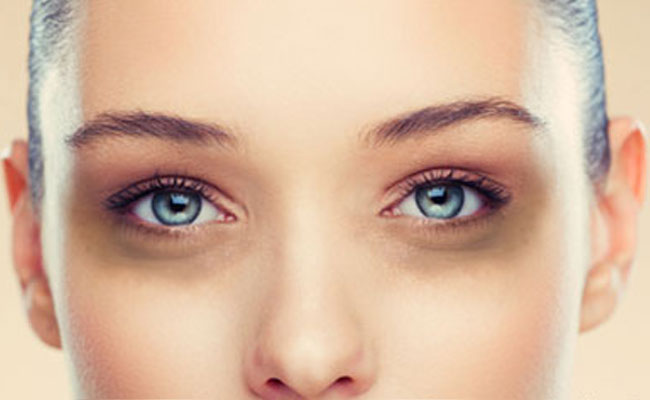
What causes dark circles?

Dehydration

When your body is not receiving the proper amount of water.

Age

As you get older, your skin becomes thinner. You also lose the fat and collagen needed to maintain your skin’s elasticity.

Fatigue
Lack of sleep can also cause fluid to build underneath your eyes, causing them to appear puffy. As a result, the dark circles you see may actually be shadows cast by your puffy eyelids.

Eye strain

Staring at your television or computer screen can cause significant strain on your eyes. This strain can cause blood vessels around your eyes to enlarge.

Allergies

Allergic reactions and eye dryness can trigger dark circles.
Allergies can also increase your urge to rub and scratch the itchy skin around your eyes.

Sun overexposure

Overexposure to the sun can cause your body to produce an excess of melanin, the pigment that provides your skin with color.

Genetics

Family history also plays a part in developing dark circles under your eyes.


Medical treatments

If the home remedy does not work then Some of the more common treatment include:

  • chemical peels to reduce pigmentation
  • laser surgery to resurface the skin and enhance skin tightening
  • medical tattoos to inject pigment into thinning skin areas
  • tissue fillers to conceal blood vessels and melanin that are causing skin discoloration beneath your eyes.
  • fat removal to remove excess fat and skin, revealing a smoother and more even surface
  • surgical implants of fat or synthetic products


Facial Skin care routine

People ask me questions on how to create an effective facial skin care routine.  First, you’ve got to know the basics.

The foundation of any skin care routine can be broken down into four main steps:

  1. Cleanse
  2. Treat
  3. Moisturize
  4. Protect

1. Find your cleanser.

Cleansers should properly remove oil, dirt, bacteria, and makeup, yet still be mild enough to keep your natural skin barrier intact. Today, a variety of cleansers exist on the market. I recommend sticking to cleansing creams, lotions, or oils that are specially formulated for sensitive skin. Avoid liquid cleansers with suds, as they can be extra harsh and irritate your skin.

2. Treat with serums.

Serums are like liquid gold. Containing high concentrations of skin-boosting ingredients like antioxidants, vitamins, and peptides, these products should be applied after cleansing but before moisturizing so your clean skin can absorb the benefits.Serums containing vitamin C, hyaluronic acid, and niacinamide are beneficial for any skin type, and can particularly help people with sensitive skin. Long-term use helps to prevent and reverse signs of aging, while also keeping your skin hydrated and healthy. However, beware of serums containing alpha-hydroxy acids or retinol.

3. Repair the skin barrier.

Moisturizers are essential for anyone with sensitive skin. Their purpose is to hydrate skin and prevent water loss, which is more commonly seen in people with sensitive skin. I recommend sticking to thicker creams—avoid lotions—as they are more effective at hydrating skin. Look for brands that are specially formulated to be free of fragrances and preservatives like formaldehyde. Also look for products that are non-comedogenic, as these will not clog pores.

4. Don’t forget to protect.

Wear sunscreen every single day, regardless of rain or shine, because UV rays will come through clouds and windows and damage skin no matter what the weather’s like. ften, certain ingredients will cause a burning sensation or other reaction. When my patients ask what sunscreens I recommend, I tell them to find one they like enough that they remember to wear it daily. However, try to avoid chemical sunscreen, which uses specific ingredients to absorb UV rays, because those ingredients can irritate sensitive skin and aren’t the most effective option. Look for sunscreens containing only zinc oxide or titanium dioxide, known as physical or mineral sunscreens. Zinc oxide and titanium dioxide create a physical barrier on the skin, preventing the sun’s rays from getting through, and they can be a lot easier to tolerate. They should be broad spectrum with SPF 30 or higher, and non-comedogenic.

Order Matters

Skin care products should always be applied from thinnest consistency to thickest, in order to increase efficacy and absorption on skin. Sunscreen should be the last product applied to your face before makeup in the morning, and moisturizers should be the last product applied at bedtime

By following these easy and simple steps, anyone with sensitive skin can create a regimen that is effective and doable.

Coconut oil : good for skin

1. Nourishing Hair Conditioner:
Worried about damaged hair? Again coconut oil is the solution. Because of its molecular weight and shape, coconut oil is able to penetrate deep into the hair, and repair damaged hair. Lauric acid has a high affinity for hair proteins and being of a low molecular weight and a straight linear, it is able to penetrate inside the hair shaft. Regular use of coconut oil leads to lustrous hair as its lubricating effect reduces fibre friction. Its antimicrobial properties improve dandruff and dry scalp conditions. Applying it to the head, followed by a gentle massage, also helps eliminate mental fatigue.

2. Anti-Stretch Marks Treatment:
Because coconut oil improves collagen cross-linking and can restore lipid barrier function, it is considered be an effective treatment for stretch marks. It’s one of the safest oils recommended for massages in case of pregnant women.

3. Make-up Remover:
Dip cotton pads in coconut oil and press softly over eyes and lips before wiping off the make-up. Coconut oil gently dissolves long lasting, highly pigmented make-up without drying the skin. In one single step, the skin is deeply cleansed as well as moisturized. And as a bonus, the anti-bacterial action of lauric acid keeps the microbes at bay.

4. Moisturiser:
Coconut oil is great for luxurious pre-bath massages and quick post-bath hydration. It melts on the skin as soon as you apply it, seeps into the pores and hydrates deeply.

5. Skin Ointment:
It can also be used to treat an array of skin problems such as psoriasis, dermatitis, eczema and dry-flaky skin. Coconut oil also helps in wound healing and is considered a home remedy to treat minor cuts, scrapes, and abrasions. Its anti-fungal properties prevent and treat foot fungus.

6. Anti-Acne Mask:
To purify oily skin, apply lukewarm coconut oil generously on the face and neck after cleansing it. Leave it on for 10 minutes and wash with warm water. It will balance sebum secretion, without the unflattering peel-off effect of drying anti-acne medicated creams.

7. Anti-ageing Potion:
A breakdown of collagen through UV rays, pollution and hormonal imbalances is responsible for sagging and dull skin. It is now documented that the triglycerides in the oil attract protein molecules, ensuring timely repair of the collagen layer. So you can consider anti-ageing formulations that use coconut oil, or use the oil as it is to improve skin’s elasticity.

8. Lip Scrub:
Nothing works on chapped lips better than a soft rub of coconut oil. For best results mix a teaspoon of sugar in some cold-pressed coconut oil and make yourself an easy DIY lip scrub. Dead skin is exfoliated, and the lip colour also brightens with regular use.

9. Carrier Oil:
Essential oils are therapeutic, but because of their potency, most cannot be applied directly to the skin. Often they need to be diluted with some carrier oils to improve their efficacy and absorption into the skin. Carrier oils are those which easily penetrate into the skin. Coconut is one of the most stable oils that doesn’t go rancid. It is often used Ayurveda formulations, as it does not alter the properties of the oils and herbs mixed with it. Rather it protects the herbs and other essential oils from microbial or fungal interactions.

10. Body Scrub:
To intensify the effect and elevate your bathing experience, mix some sea salt and coconut oil and use this as a scrub on the body (not face) in circular motions. Wash off within 5 minutes. This also reduces the presence of cellulite.

12. Natural Mouthwash:
In Ayurveda, coconut oil is considered one of the best ways to remove bacteria and promote healthy teeth and gums. Known as Gandusha, it is a fantastic oral detoxification procedure that’s simply done by swishing a tablespoon of pure coconut oil in your mouth for 10- 20 minutes.

11. Baby Massage Oil:
Lauric acid in coconut oil provides safe nourishment to an infant’s skin. It is found very effective in treating cradle cap which is characterised by a flaky scalp. The hydrating qualities of coconut oil lends relief from dry skin conditions such as eczema in new-borns and soothes diaper rash.

Skin disease treatment

It is everyone’s wish to have a smooth and clear skin. For a glowing skin, it is important that our skin is naturally healthy.

Over here we discuss some of the common skin disorders and their natural remedies

1. Psoriasis: Psoriasis develops in early adulthood starting with small red bumps that grow into scales.

a) Try reducing Stress.
b) Quit or reduce alcohol intake.
c) A well-balanced diet.
d) Turmeric intake.

2. Eczema: Characterized by itchiness, rough and red skin, and rashes. Certain foods and in some cases environmental factors like smoke and pollen can also cause inflammation.

1. Applying coconut oil can help soothe the skin.

2. Scabies: Scabies is a contagious skin infestation by a tiny burrowing mite called Sarcoptes scabiei. Severe itchiness and a pimple-like rashes are some of the symptoms. The itching may get worse in the night. One can see the burrows or tracks in the folds of skin.

Natural remedies for Scabies

a) Use aloe vera.
b) Neem oil helps.
c) Wash all your clothes in hot water to kill the mites
d) Use our Kasthuri Herbal Soap.

4. Acne: Acne is one of the most common skin problems. It commonly erupts during puberty.

1. Aloe vera helps. 2. Honey helpss. 3. Application of Pudina leaves paste.

To know more about Skin treatment and its initiatives for promoting health, visit https://drraiskincare.in, Email – dr.vimalrai@gmail.com
Mobile- 9425262556

Stretch Marks Removal

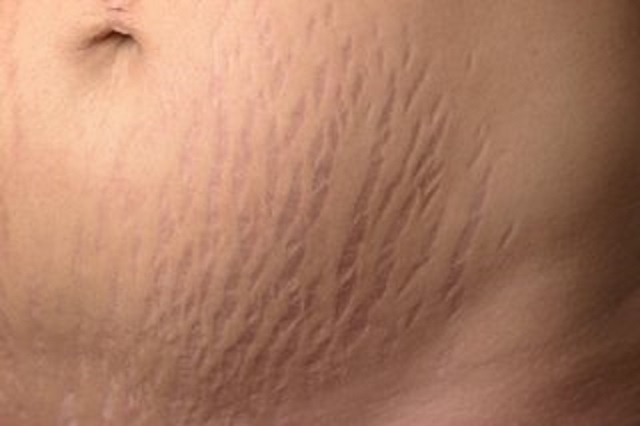
Stretch marks come about as a direct result of the skin getting stretched due to rapid growth , such as during puberty, or weight gain as seen during pregnancy. Although the skin has a fair degree of elasticity, such stretching is bound to leave prominent marks. A lot of pregnant women, in particular, experience stretch marks in different areas especially in the latter half of their terms.

All treatments are without any side effects. Most types of treatment require multiple session of an average of 30 minutes.

The following treatments are some of the options available to improve the appearance of stretch marks:
Derma roller: Medical Skin Needling or derma roller therapy is also called Collagen Induction Therapy or Micro-Needling.
Microdermabrasion: This type of treatment makes use of a hand-held device that blows crystals onto skin, abrading or “polishing” the skin’s surface in the process.
Pulsed dye laser therapy: Used at non-ablative wavelengths of light, this type of laser therapy remodels underlying skin (dermis) by promoting the growth of collagen and elastin.
Fractional laser: Similar to pulsed dye laser therapy, this laser treatment also uses wavelengths of light to stimulate new growth of collagen and elastin. Contact Dr Rai, at Shop No- 14, Vijeta Complex
Above Kotecha Medical Stores,
Shastri Bazar, Raipur, Chhattisgarh, India
Email – dr.vimalrai@gmail.com
Mobile- 9425262556, website- drraiskincare.in

Look Younger

1) Up your intake of Vitamin A, C, E, antioxidants, and omega-3s

To ensure you look 10 years younger, even when you are well into your 40s and early 50s, start early and start with what you put into your mouth. A diet, super-rich in antioxidants and fatty acids would successfully fight any free radical damage, environmental stressors and help in maintaining the natural radiance and elasticity of your body and skin.

2) Cut down on processed food, alcohol, and smoke

One primary cause of premature aging, dull skin, and weight gain is eating too much of processed foods, consuming alcohol and carbonated drinks and of course smoking. While, serious damage may not show in your 20s, 30s and even in your 40s, things get dramatic once you move into your 50s. Once you hit 50, you notice, you’ve lost all youth, attractiveness and appeal.

3) Lose weight

If you need to lose any weight, do it now – in your 30s. Because after 40, our metabolism slows down dramatically; making it extremely difficult at that age to fulfill your weight loss goals. Also, after 40 the skin is less elastic and subjective to sagging as a result of any weight loss.

4) Boost metabolism

10 Things You Must Do to Look 10 Years YoungerIt’s a widely accepted fact that a slim and fit body anytime looks years younger than an overweight and stout silhouette. So if you want to look young and attractive even in your 40s and 50s, one good way to do it is by exercising and boosting your metabolism when you are still younger. A boosted metabolism would ensure that you don’t gain weight at an age when you’re most likely too.

5) Practice stress relief

It’s a well acknowledged fact that root cause of all illness and unpleasant body changes is stress. According to Dr. Claire Michaels Wheeler, author of 10 Simple Solutions to Stress, “stress triggers unhealthy changes body-wide, including increased blood pressure, less energy to the brain, lower libido, and faster cell death. In effect, stress makes you age faster.”

So in order to look 10 years younger and keep looking beautiful for longer, you must start with some kind of stress relief practice daily to put yourself back into the zone.

6) Wear sunscreen daily

Prevention is always better than cure. And importance of wearing sunscreen daily cannot be stressed much for preventing fine lines, wrinkles, dark spots and pigmentation due to unprotected UV exposure. So for problem free skin in your 40s and 50s, make sure you wear a moisturizing sunscreen daily right from your 20s and 30s.

7) Use antioxidant serum

In addition to wearing a daily spf for photo damage prevention, you also need to use an antioxidant serum for preventing and fighting any free radical damage from pollution and UV rays that are not blocked by the sunscreen.

While, a potent Vitamin C serum would be an ideal pick, even a simple moisture serum fortified with antioxidants can also do the job. Remember, something is better than nothing!

8) Include retinol

Once, you hit your 30s, skincare becomes a little more than a basic CTM routine. Cell turnover becomes slow, meaning new cells take long in reaching the surface making skin look dull and less radiant.

A daily retinol based night time product would not only hasten the cell turnover process but also boost collagen production making skin look younger and radiant. The daily practice would help erase and delay the appearance of any fine lines and wrinkles.

Try Neutrogena Rapid Wrinkle Repair Night Moisturizer or a prescription retinol product, such as Ega cream.

9) Eye cream

Whether you have dark circles or not, use of an eye cream becomes necessary in this age to prevent the proliferation of crow’s feet at a later age. Add a product that targets both head on. Here’s a list of some good eye creams available in India to take your pick from.

10) Exfoliate often and use weekly face masks  Once every week try exfoliating your skin. Face masks can do wonders for your skin.
Pimple marks and Acne scars

Pimple marks or acne scars are the most annoying and permanent outcome of this disease.

Pimple marks (acne scar) are difficult to remove completely. The only sure way of removing the scar is to prevent them from appearing. The most effective strategy is an early treatment. Causes observed, can predict the possibility of scarring.

The nodulocystic type of acne are most prone to scar formation.
The longer acne is left untreated the higher the incidence of scarring. Also, longer the duration you have acne, higher the chances of scarring.
If acne scarring runs in your family there is a higher probability that the skin condition will also affect you.
Picking and squeezing behavior is associated with increased chances of scarred pimples.
Both men and women get acne, yet, men are more susceptible to developing acne scar.

Specialist at Dr Rai Skin Care Clinic at Raipur, Chhattigsarh understand the dynamics of acne scaring.

Eczema and Psoriasis

Eczema

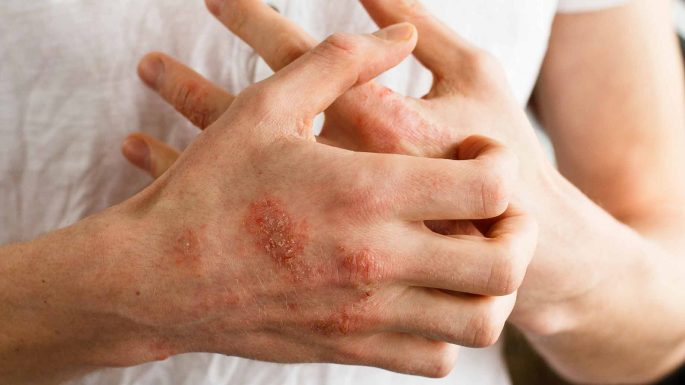
Eczema, also known as atopic dermatitis, is a common skin condition.

The majority of eczema cases develop between the ages of 1-5 years old. While it is primarily a childhood disease, some cases persist into adolescence and adulthood. Eczema tends to occur periodically. It can even clear up for years before returning.

Eczema symptoms can include:

  • Discolored skin patches on various parts of the body
  • Dry, thickened, cracked or scaly skin
  • Small, raised bumps that may leak fluid and crust over
  • Itching, which may be severe, often worse at night
  • Raw, swollen sensitive skin

Atopic dermatitis is an inflammatory disorder caused by an immune system imbalance. Children with eczema often develop autoimmune disorders such as asthma and allergies.


Psoriasis

Primarily seen in adults, Psoriasis vulgaris is a chronic autoimmune disease characterized by an overgrowth of skin cells.Most types of psoriasis cause symptoms for weeks or months that subside for a time until the next flare up.

Psoriasis symptoms can include:

  • Red plaques of skin covered in loose silvery scales
  • Small scaly spots
  • Skin that cracks and bleeds
  • Pain and itching
  • Stiff, swollen joints

Psoriasis is caused by an overactive immune system that attacks healthy skin. White blood cells trigger inflammation and increased, rapid production of skin cells, which results in psoriasis plaques.


Natural Remedies for Eczema & Psoriasis

1. Fish Oil

2. Probiotics

3. Oatmeal

4. Vitamin D

4. Tea

Stretch marks treatment

Stretch marks are unpleasant and it is safe to say nobody wants them. Stretch marks could be caused by a number of reasons like pregnancy, weight gain, puberty, sudden weight loss etc. With increasing awareness about skin care, many people are opting to get stretch marks removed.Our stretch mark removal technique is the most popular and effective methods to erase any type of scarring on the skin.

Types of stretch marks and treatment

Stretch marks are red, white or purple depending on the freshness of the scar and inflammation.
1. Red stretch marks
Red marks are new scars that change into deeper red or purple with time. The depth of the scar and colour are affected by bleeding in the dermal levels. Red stretch marks are usually thin lines running throughout the upper layers of skin in the affected area.
2. White stretch marks
When the red stretch marks heal, they may turn darker or paler into white stretch marks. In people with fairer skin, the marks may turn dark brown.

Dr Vimal Kishore Rai is an expert in removing stretch marks. Consult Dr. Rai at Email – dr.vimalrai@gmail.com or Mobile- 9425262556, visit website – www.drraiskincare.in

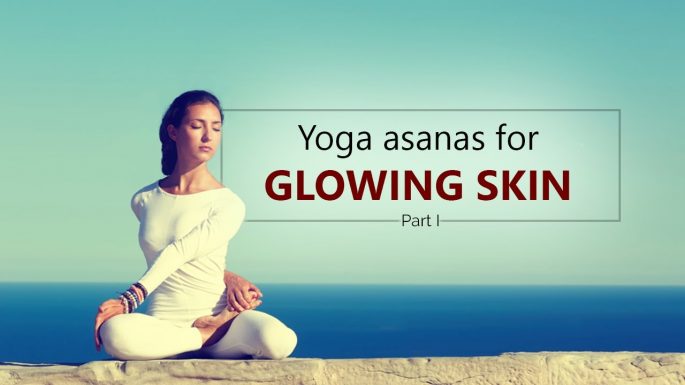
Yoga for glowing skin

Exercising make sure our skin is bright, glowy and healthy looking. Yoga is one form of exercise that not only gives health benefits but you can achieve beauty benefits from it as well. There is a reason why both Bollywood and Hollywood actresses religiously practice Yoga to stay young and gorgeous.Here are 8 Yoga poses for glowing skin that you can try too. The 8th one is a favourite with celebrities and Yoga experts.

Matsyasana

Matsyasana in Yoga terms aids in getting healthy skin since it has a positive impact on the thyroid and the pituitary gland which in turn gives you glowing skin. It helps innormalizing your hormone levels. Additionally, this pose is very helpful at getting rid of a double chin!

Utthanasana

Utthanasana in Yoga involves bending over forward and thus it promotes blood flow to your face. It is an excellent Yoga pose for glowing skin since it also boosts skin rejuvenation.

Halasana

Halasana, aids in improving your digestion. When you have a good digestive system, you naturally achieve glowing skin since your body is healthier.

Bhujangasana

Bhujangasana is very popular as the ultimate stress relieving pose. Although it doesn’t directly have an effect on your skin, it decreases your stress levels and that helps you get brighter, glowing skin. The pose also helps flush out toxins from the body thus boosting skin rejuvenation.

Ustrasana

If you suffer from acne or pimples, Ustrasana will help reduce the same. This pose helps increase the lung capacity and relives stress as well as balances your hormones.

Tadasana

Tadasana is very useful in releasing harmful toxins from the body which is essential if you want healthy and glowing skin.

Sarvangasana

Sarvangasana or the Shoulder Stand Pose helps you lose the dullness on your face while helping reduce acne and pimples. It also helps fight wrinkles and thus is extremely beneficial for getting glowing skin in the long run.

Padmasana

Padmasana is a simple breathing exercise that has numerous benefits for the body as well as helps calm the brain down. This in turn promotes healthy, glowing skin.

Make sure you take a step closer to healthy, bright and glowing skin every day with these Yoga poses!